
Blog
Author: Mr Chad Chang FRCS(Plast), Consultant Plastic Surgeon
Review Status: Peer-reviewed by Mr John Henton FRCS(Plast), Consultant Plastic Surgeon
Published: 10 March 2026
Quick Summary: Arm swelling after breast cancer treatment is a common anxiety, but early recognition allows for effective management. While mild swelling can be normal during the initial recovery phase, persistent heaviness or tightness beyond a few weeks requires review. Urgent red flags include sudden pain, redness, or heat. This guide outlines when to monitor symptoms and how specialist services use advanced imaging to guide care.
Why does arm swelling occurs after breast cancer treatment?
Breast cancer treatment can affect lymphatic drainage in several ways:
- Axillary Node Removal: Removal of lymph nodes (ALND/ANC) creates a physical block in drainage.
- Radiotherapy: Treatment to the axilla or chest wall can cause internal scarring.
- Post-Surgical Changes: Tissue changes and scarring can further reduce fluid transport.
- Physiological Factors: Higher BMI and reduced activity levels can exacerbate the burden on the system.
These factors may lead to Breast Cancer-Related Lymphoedema (BCRL) in the arm, hand, or chest wall. Not everyone at risk develops the condition, but understanding your personal risk profile is the first step in prevention.
Why does arm swelling occurs after breast cancer treatment?
Early lymphoedema can be subtle and may fluctuate with heat or activity. Monitor for these four key indicators:
- Sensation: A feeling of heaviness, fullness, aching, or stiffness (without a clear joint problem).
- Fit: Clothes, bra straps, or jewellery that feel tighter on one side.
- Visual: Slight swelling around the elbow, wrist, or hand compared with the other side.
- Indentation: Marks from clothing seem deeper or more persistent.
The “6-Month” Threshold:
It is important to distinguish between recovery and long-term changes:
- Early Recovery: Some swelling in the early months after axillary surgery is common and often settles.
- Persistent Symptoms: If swelling, heaviness, or tightness persist beyond 6 months after surgery, you should seek professional advice.
- Late-Onset: If these symptoms appear after a period of stability, even years later, consider this a sign of possible BCRL and arrange a review.
Is my swelling urgent? (Red Flags)
Some symptoms suggest an urgent problem rather than gradual lymphoedema after breast cancer.
| Symptom Profile | Potential Cause | Action Required |
|---|---|---|
| Gradual Onset: Persistent heaviness or slight swelling >6 months post-op. | Lymphoedema (BCRL) | Routine Review: Contact your breast team or GP. |
| Sudden Onset: Painful swelling, redness, warmth, or fever. | Cellulitis (Infection) | Urgent: Seek medical advice via NHS 111 or A&E. |
| Sudden Onset: Marked swelling with chest pain or breathlessness. | DVT (Blood Clot) | Emergency: Attend A&E immediately. |
When should I contact my team about possible lymphoedema?
You do not need to wait for severe swelling before you seek help for possible arm lymphoedema.
Contact your team if:
- Heaviness or swelling in one arm persists for more than a few weeks
- Clothing or jewellery fits differently on one side and this does not settle
- You notice repeated minor skin infections or slow-healing breaks in the skin on the affected side
Acting early allows for baseline limb measurements, skincare education, and the timely introduction of compression. If your team suspects BCRL, they can refer you to a specialist service for assessment and discussion of management options.
What happens at a specialist lymphoedema assessment?
At a specialist assessment, you can usually expect a detailed review to plan your management. This typically includes:
- Clinical History: A detailed review of cancer treatment, medicines, infections, and symptoms.
- Physical Examination: Physical check of both arms, chest wall, and trunk.
- Objective Measurements: Limb circumference or volume measurements.
- Lifestyle Assessment: Discussion of your work, caring responsibilities, and activity levels.
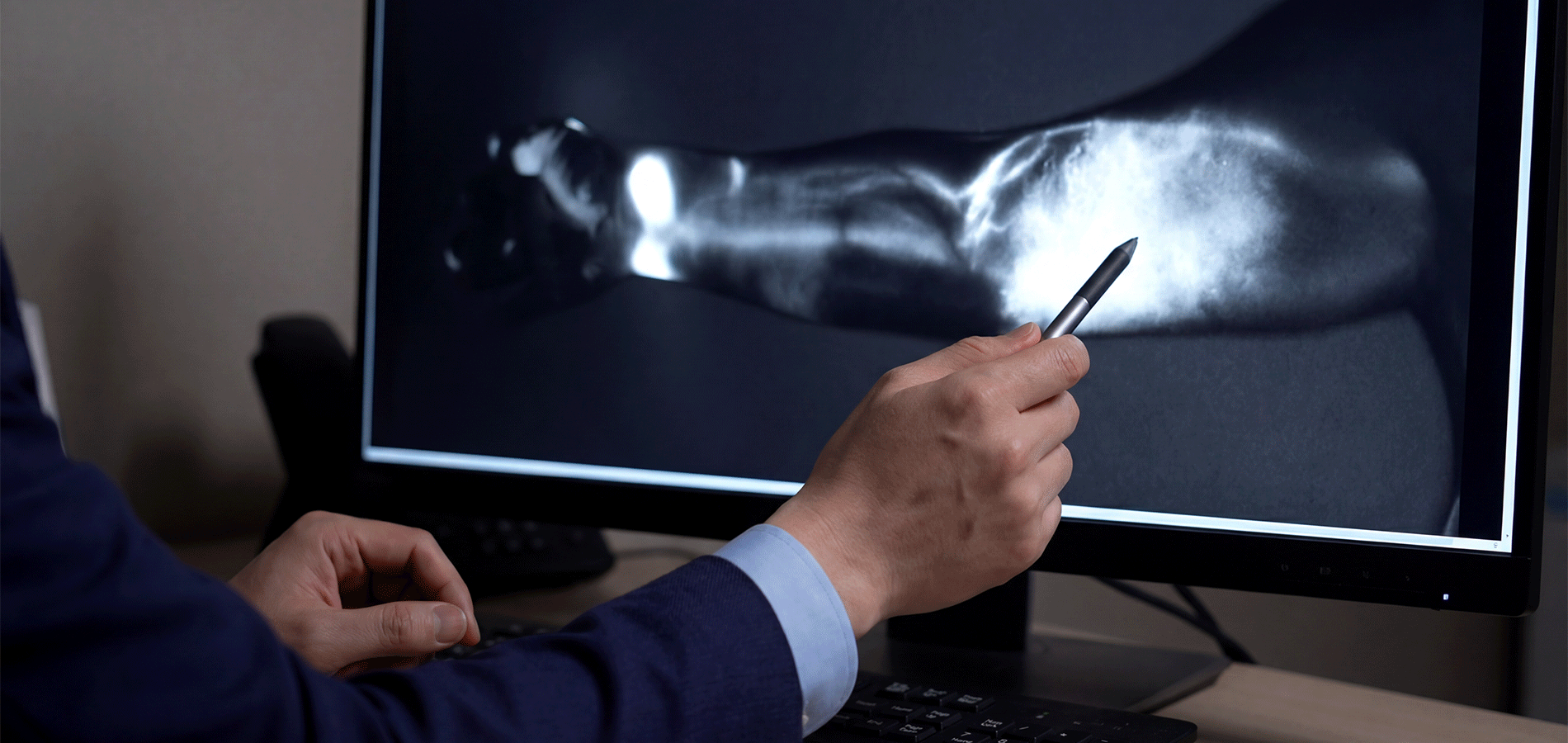
In some cases, additional diagnostic tests such as Ultrasound, Lymphoscintigraphy, or ICG Lymphography) may be arranged depending on clinical expertise and local pathways.
The role of ICG Lymphography in Diagnosis and Monitoring
In selected patients, Indocyanine Green (ICG) Lymphography is used to:
Proactive Surveillance at GNLC
At the Great North Lymphatic Centre (GNLC), we use ICG lymphography to stage disease and guide surgical pathways. For those at higher risk who do not yet have clear symptoms, we offer optional interval ICG lymphography.
This approach is used to monitor superficial lymphatic transport closely and identify early changes rather than waiting for advanced symptoms. This is not routine in standard breast cancer care; we discuss the potential benefits and limits with each patient individually.
Treatment options for Breast Cancer-Related Lymphoedema (BCRL)
Management focuses on long-term control and symptom relief. Surgery is an option for carefully selected patients but does not replace conservative care, which may include:
- Individualised compression garments tailored to your limb volume
- Skincare and infection prevention to reduce the risk of cellulitis
- Exercise and activity advice (graded exercise is safe and beneficial for lymphatic transport
- Manual lymphatic drainage (MLD) to support fluid movement
When is surgery discussed?
Lymphoedema surgery may enter the discussion when:
- Lymphoedema is confirmed and remains troublesome despite high-quality conservative care
- Recurrent cellulitis affects health, confidence, or ability to work
- ICG lymphography shows patterns that may respond to LVA or VLNT
- Solid tissue change has built up over time, where Liposuction or selective debulking can help reduce limb bulk and improve mobility
Evidence for lymphoedema surgery, particularly for arm swelling after breast cancer, continues to develop. In the UK, it remains a specialist option that follows careful assessment and shared decision-making.
Myth vs Reality: Can I use my arm safely?
Many patients receive conflicting advice that causes unnecessary anxiety. Current NICE guidance supports these practical points:
- Blood pressure: When possible, staff often use the other arm. However, an occasional blood pressure reading on the at-risk side is unlikely to trigger BCRL on its own. It is usually better to allow a needed blood pressure check than to delay important care.
- Blood tests/Cannulas: While the untreated side is preferred when both arms are available, careful blood sampling or cannula placement on the treated side is reasonable in urgent situations.
- Everyday use: Normal use of the arm for tasks, work, and graded exercise is safe. Avoiding sudden overload is more important than rigid restriction.
Next Steps: Self-monitoring and Review
Routine specialist surveillance is not standard for every person after breast cancer treatment. Use these simple self-monitoring steps to help you recognise possible early lymphoedema:
- Visual Check: Compare both arms in good light for changes in skin quality, skin colour, or shape.
- Fit Check: Notice if watch straps, rings, or sleeves feel tighter on one side
- Sensation: Pay attention to new heaviness, tightness, or aching that does not settle
If you notice a persistent difference or have concerns, discuss them with your breast team or GP. If you would like a surgical opinion, the team at GNLC can review your imaging and clinical history to advise on the role of lymphoedema surgery in your care.
Disclaimer: This content is for educational purposes only and does not constitute personal medical advice. Content written by Mr Chad Chang and peer-reviewed by Mr John Henton.
Comment(01)